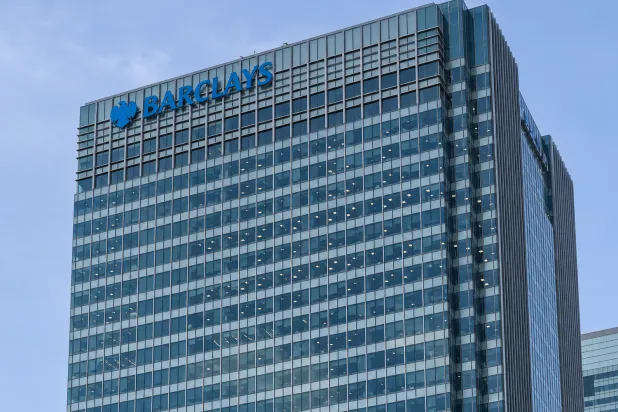
As Saudi companies pursue financing, acquisitions and expansion into new markets, and international investors show growing interest in opportunities across the Kingdom, Barclays is looking to its Riyadh office to expand its business on both fronts. The British banking group aims to connect Saudi companies with its global network while facilitating the flow of international capital into investment opportunities created by the Kingdom's economic transformation. Mohammed Al Sarhan, Chairman of Barclays Capital Saudi, said the opening of the office reflects the group's long-term commitment to Saudi Arabia and its confidence in the opportunities arising from the country's economic transformation. Speaking to Asharq Al-Awsat, Al Sarhan said a direct presence in Riyadh allows the group to work more closely with clients and better understand their priorities, as capital markets are expected to play an increasingly important role in financing Saudi corporate growth and supporting expansion beyond the Kingdom. Barclays announced its return to the Saudi market more than a decade after withdrawing from it. In early November, the British bank opened an office in Riyadh's King Abdullah Financial District (KAFD), following regulatory approval to conduct investment banking and global markets activities and the completion of licensing procedures for its regional headquarters in Riyadh in 2025. Direct Presence in Riyadh Al Sarhan explained that, from the board's perspective, the office opening represents a pivotal step in Barclays' strategy to strengthen its presence in Saudi Arabia and establish a sustainable business in the Kingdom over the long term. As Saudi Arabia continues implementing its development plans, he said having a team based in Riyadh enables the group to deepen client relationships, gain a closer understanding of their needs and connect them with Barclays' expertise and capabilities in global markets. The chairman attributed the group's confidence in Saudi Arabia's economic outlook to the ambitions of Vision 2030 and what he described as tangible progress across several sectors. He pointed to the private sector's growing role, the development of new industries and sectors, and the increasing depth of the Kingdom's financial markets. These developments, he said, are creating more opportunities for Saudi companies to grow domestically and expand internationally, alongside rising interest from global investors in the Saudi market. Against this backdrop, Barclays aims to support local companies seeking access to global markets while making it easier for international investors to capitalize on opportunities within the Kingdom. Financing, Acquisitions and New Market Entry Al Sarhan expects capital markets to play a greater role in Saudi Arabia's next phase of economic development as the economy continues to expand, domestic companies grow and businesses seek to strengthen their international presence. He explained that as companies scale up their operations, they will require more diversified financing options and access to a broader base of international investors. They will also increasingly need specialized financial advice when considering acquisitions or evaluating opportunities to enter new markets. These are strategic decisions that Barclays' local presence will allow it to support more closely, he said. Conversely, growing interest among international investors in Saudi Arabia is strengthening the role of global financial institutions in connecting capital with investment opportunities across markets. Al Sarhan identified this as one of Barclays' priorities in the Kingdom, with the group seeking to leverage its international network to serve Saudi clients pursuing expansion and global investors looking for opportunities in the domestic market. Building a Local Team Al Sarhan said the group, under the leadership of Majed Al Hassoun, is building a local team that combines knowledge of the Saudi market and an understanding of client priorities with Barclays' global expertise. He noted that the group draws on a presence in the Middle East spanning more than 150 years. Being close to clients, he said, helps the team better understand their requirements and support their strategic decisions while providing direct access to the group's capabilities and international network. He believes combining local expertise with global resources is becoming increasingly important as more Saudi companies look abroad for financing, partnerships and opportunities for expansion and growth. Confidence in Saudi Economic Resilience Assessing Saudi Arabia's prospects amid regional and global volatility, Al Sarhan said the geopolitical and economic landscape is becoming increasingly complex. He pointed to the humanitarian consequences of regional conflicts and the uncertainty they create for businesses and investors. He explained that Barclays' long-term assessment of the Saudi economy rests on continued economic diversification, the expanding role of the private sector and the economy's ability to withstand challenges. He described these factors as pillars supporting the Kingdom's continued development. Al Sarhan said the group takes a long-term approach to client partnerships, helping businesses navigate economic changes and market volatility so they can make informed decisions under varying conditions. He cited Saudi Arabia's record of overcoming challenges over several decades, from previous regional conflicts to sharp declines in oil prices and the repercussions of the COVID-19 pandemic. At every stage, he said, the Kingdom has demonstrated an ability to recover and strengthen its resilience, attributing that capacity to the role of its leadership, the strength of its economy and the determination of Saudi society. Al Sarhan added that these experiences reinforce Barclays' confidence in Saudi Arabia's ability to overcome current challenges and sustain its economic transformation.