Indicators suggest that the United States and Israel are nearing a new round of strikes on Iran. This trajectory can only be halted by a last-minute breakthrough in ongoing mediation efforts for a political solution, including the anticipated outcome of the trilateral summit in Shenzhen between Chinese President Xi Jinping and his American and Russian counterparts, Donald Trump and Vladimir Putin.
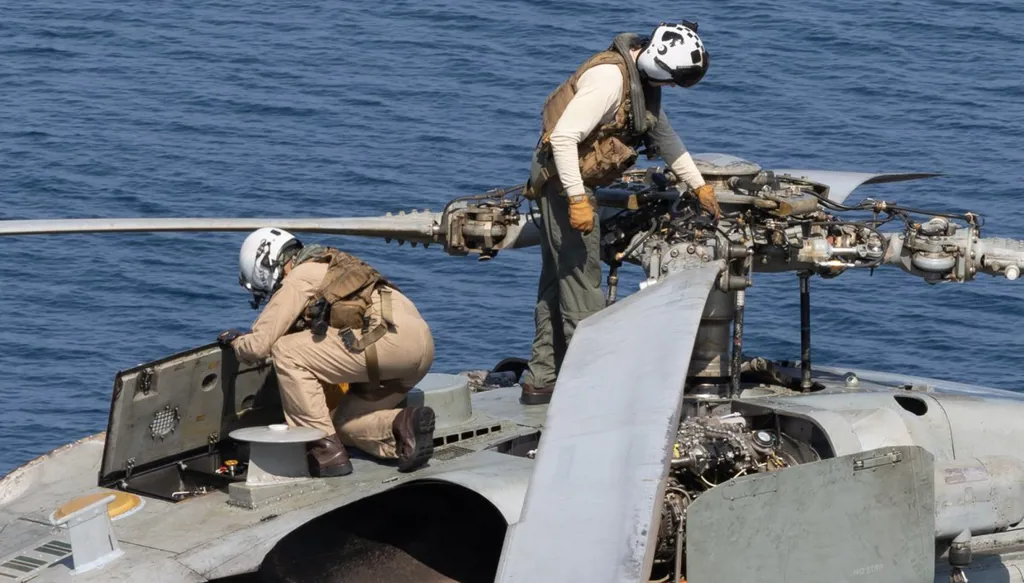
The growing inclination towards war is not without cause. It is evident in military movements on the ground, escalating rhetoric, and the packed agendas in the United States and Israel in the coming days. On the ground, Iran and the United States continue to exchange blows, with the confrontation extending beyond the Strait of Hormuz to Bahrain, Kuwait, and Oman. Washington has deployed its largest naval force to the region since 2003, while Admiral Brad Cooper, a proponent of launching new strikes, is touring Middle Eastern countries.
Israeli Prime Minister Benjamin Netanyahu, facing the prospect of losing power following the appointment of opposition leader Gadi Eizenkot to form a new government, is stepping up pressure on Trump to resume the war. To that end, he dispatched his close adviser Ron Dermer to Washington, following a similar mission by Mossad chief Roman Gofman. Both missions involved presenting Israeli intelligence on Iran's efforts to restore its missile capabilities and suspicions that it has resumed nuclear activities.
Netanyahu is racing against time to trigger a war that would compel Eizenkot to join a "Unity" government. Otherwise, he risks losing power for the first time in 19 years and facing an inquiry into the failures surrounding Hamas's October 7, 2023 attack.
As for Trump, his options are narrowing with the Democratic-majority Congress set to officially take office in January. Democrats plan to investigate whether Trump went to war without a genuine threat to American national security.
While Trump prefers to remain between war and peace as a safer option to avoid becoming embroiled in an endless Middle Eastern conflict, Iran is actively seeking to move beyond the gray zone. This explains the escalating trajectory of its attacks and threats to expand the war beyond the region. Iran does not oppose a settlement, provided it meets its seven conditions, which effectively amount to American acknowledgment of defeat and failure to achieve any of the objectives of "Operation Epic Rage," launched by Trump and Israel around nine months ago.
Iran is also stepping up pressure by expanding Houthi activities into new areas of Yemen and targeting civilian infrastructure in Saudi Arabia.
If Trump fails to sense genuine intentions from Xi and Putin to persuade Iran to return to dialogue over its nuclear file, he may lose all hope of reaching a diplomatic solution and become increasingly inclined towards a new war. Such a move could be justified on several grounds, including claims that Iran is preparing attacks against American officials, even on U.S. soil, building a new missile arsenal, or hiding highly enriched nuclear materials in tunnels at Mount Alfa. In any case, Trump would not lack pretexts if he decides to go to war.
The key question remains: Is the region heading towards another round of strikes against selected targets, or is it on the verge of sliding into a full-scale war?
Disclaimer: The opinions expressed by the writers are their own and do not necessarily represent the views of Annahar.